
Why Does Your Silver Bracelet Turn Your Finger Green or Black? The Chemistry of Sterling Silver, Sweat, and Skin
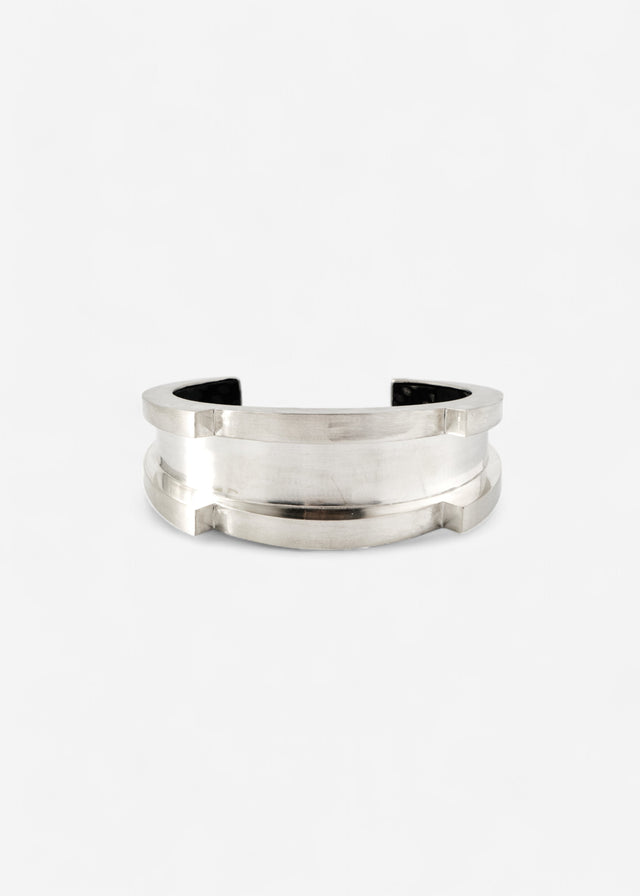
Notes from the Bali workshop. A silversmith's answer to the question every customer asks within thirty days of purchasing a sterling silver bracelet.
The two questions I hear every week
One is, "Why is my silver bracelet turning black? " The other is, "Why is the inside of my wrist a little green where the bracelet sits? "
Both questions get the same wrong answer most of the time on the internet, which is something like "it must be plated" or "it isn't real silver." I have been melting and casting sterling silver 925 in our Bali studio for years, and I can tell you that almost every time these things happen, the silver is real, the bracelet is fine, and what you are actually watching is one of the oldest and most predictable chemical reactions on Earth. It is not a flaw. It is silver doing what silver does.
Here is the honest, full chemistry of why your sterling silver bracelet darkens, why your skin sometimes greens, what climate and sweat have to do with it, and what you can actually do about it without panicking or throwing the piece in a drawer.
What sterling silver actually is, and why that matters here
Sterling silver is 92.5% pure silver and 7.5% other metals. The "925" stamp on the inside of a real sterling bracelet is not a brand. It is a legal hallmark stating that ratio. Pure silver is too soft to wear every day, so jewelers add a small amount of harder metal to give the alloy its strength and spring. In most of the world, that added metal is copper.
That copper is the entire chemistry lesson in one word. Pure 999 silver hardly tarnishes at all on the timescale a human cares about. The 7.5% copper inside sterling, on the other hand, is highly reactive. It reacts with sulfur from the air, salt from your skin, sweat, perfumes, household cleaners, certain shampoos, even the scent of an open onion. When you see a black film on a sterling silver bracelet, what you are looking at is mostly silver sulfide and a smaller amount of copper sulfide and copper salts forming on the surface. The metal underneath is unchanged — the film sits only on the outermost layer, and it lifts off with a polishing cloth.
The same copper is responsible for the green mark on your wrist. When copper reacts with the acids and salts in human sweat, it forms copper salts — most commonly copper chloride and copper carbonate, the same green compound that gives the Statue of Liberty its color. Those salts are water-soluble, which is why they transfer onto skin and wash off in the shower. The green is not poisoning you. It is essentially trace copper hydrate sitting on your skin like a temporary stain.
Why your bracelet, specifically, turns black faster than your friend's
Two people can buy the same sterling silver bracelet from the same workshop on the same day, and one will have a darkened piece in two weeks while the other still looks brand new at six months. The metal is identical. What differs is body chemistry, climate, and habits.
Body chemistry
Human sweat is not one fluid. It varies wildly in pH, salt concentration, sulfur content, and the proteins it carries. A person who eats a high-sulfur diet (cruciferous vegetables, eggs, garlic, certain proteins, certain medications) will excrete more sulfur compounds through skin. That sulfur reacts with the silver almost on contact, accelerating the dark film. Two healthy people standing next to each other can have wildly different "tarnish profiles" because of nothing more than what they ate that week.
Skin pH plays the same role, and slightly acidic skin reacts faster with both the silver and the copper. People sometimes notice that one wrist tarnishes faster than the other — that is usually a small pH or sweat-volume asymmetry, not magic.
Climate and humidity
I cast in Bali, and Bali is a humid, sulfur-rich island, and volcanic air carries trace hydrogen sulfide. The same sterling silver bracelet that takes three months to darken in a dry city in Northern Europe can darken in three weeks here in Ubud. If you live in a coastal city, near hot springs, near industrial areas, or anywhere with high humidity, expect faster tarnish. This is also why silver kept inside a closed jewelry box with a cotton liner stays bright much longer than silver left out on a dresser.
What you do with the bracelet on
The accelerators that I see ruin a bracelet's surface fastest, in order:
- Chlorine pools and hot tubs. Chlorine attacks both the silver and the copper aggressively. One pool day can cause more visible tarnish than three months of normal wear.
- Saltwater swimming. Less harsh than chlorine, but still meaningful — salt speeds up the copper reaction.
- Perfumes and lotions sprayed directly onto skin where the bracelet sits. Perfume contains alcohols and oils that strip the polish and accelerate sulfide formation.
- Hand sanitizer and bleach-based cleaners. Both are aggressive oxidizers.
- Sleeping in the bracelet during humid nights. Hours of contact between sweat-damp skin and the metal.
None of these will ruin a sterling silver bracelet permanently. They just speed up the natural process. A polished piece that took six months to develop a dark patina can be brought back in three minutes with a polishing cloth.
The "green wrist" specifically — am I allergic?
Almost certainly no, and true silver allergy is extremely rare. Allergy to nickel is more common, but well-made sterling silver does not contain nickel — and any 925 piece from a serious jeweler should not, either. Our bracelets at the studio are nickel-free 925 silver, full stop.
The green stripe on your wrist is the copper portion of the alloy reacting with your sweat. It is mechanically the same thing that happens to a copper coin in a pocket, just slower. The fix is not "avoid silver" — it is to understand what is happening and choose a workaround you like.
The three honest options:
- Wipe the wrist and the inner band each evening with a soft cotton cloth. The green compound is water-soluble; it lifts off.
- Apply a thin layer of clear nail polish or a jeweler's lacquer to the inside of the bracelet if you wear it as an everyday piece and your sweat is unusually reactive. This creates a barrier between copper and skin, and it needs reapplying every few months.
- Choose pieces with thicker walls and less direct skin contact. Cuffs that bridge the wrist rather than wrap it tightly leave far less green. Brutalist cuffs from our workshop sit higher on the bone for that reason.
If you genuinely want to avoid the chemistry altogether, the only real escape is solid platinum, gold, or stainless steel. Silver — by definition — contains the copper that makes this happen, and that is the deal you take with the metal.
Why the dark film is actually fine — and sometimes desirable
Here is the part that almost no internet article tells you: the black surface that forms on sterling silver is not damage. In our Ubud studio, half the work we make starts by deliberately oxidizing the silver in a controlled bath of liver of sulfur to build that black film as a permanent design choice. We then polish the high points so light hits the raised surfaces and the recessed parts stay dark. That contrast is the "blackened" or "oxidized" look you see on our oxidized silver pieces.
The chemistry is identical to what your body and air are doing to your bright bracelet, just done on purpose, more evenly, and locked in by polishing. So when your high-polish silver bracelet starts darkening, you are essentially watching a slow, less-controlled version of an artistic process. Some collectors deliberately let their pieces patina because they like the look, and others restore them now and then. Both are valid; there is no right answer.
What I recommend in the workshop
If you bought a polished sterling bracelet and you want to keep it bright: a soft jeweler's polishing cloth once a week, two minutes of buffing, takes the film off before it sets. If you want a cleaner, deeper restoration, see our jeweler's bracelet cleaning guide for the full process — and what to never do.
If you bought a deliberately oxidized piece (a Codex bracelet, a brutalist cuff), do the opposite: leave it alone. The dark recesses are part of the design. Aggressive cleaning can lift the patina and force a re-blackening at the studio.
The five things customers do that quietly destroy a polished bracelet
This is the list I wish were printed on every receipt. None of these will permanently ruin a sterling silver bracelet from a real workshop, but each one will visibly age the surface in days rather than months.
- Putting on perfume after the bracelet is already on. The mist hits the silver and the inner skin together. Spray scent onto pulse points first, let it dry, then put the bracelet on. This single change extends the polished life of a piece by months.
- Wearing the bracelet to bed every night during summer. Hours of warm contact between humid skin and the metal is the worst-case condition. If you cannot bear to take a bracelet off, alternate which wrist it sits on; both sides get a recovery night.
- Storing the bracelet in the bathroom. The air in a bathroom is sulfur-rich (toiletries, hot showers, drains), so move silver storage to a dry bedroom drawer.
- Cleaning the bracelet with toothpaste. An old internet myth. Modern toothpaste contains abrasives that scratch the polished surface in microscopic grooves; tarnish then forms inside those grooves and becomes harder to remove next time. Use a real polishing cloth.
- Soaking it in silver dip overnight. Silver dip works in seconds. Leaving silver in the dip for hours strips the surface layer and can pit the metal. Thirty seconds, rinse, dry — that is the protocol.
What about toothpaste, baking soda, and aluminum foil hacks?
The aluminum-foil-and-baking-soda trick (a hot bath, foil at the bottom, silver dropped in) does work chemically — the foil pulls sulfur off the silver via electrolysis. The catch: it strips deliberate oxidation as fast as it strips natural tarnish. If you have a brutalist or patinated bracelet, this method will lighten the design recesses you paid for. Use it only on plain polished pieces, and only if a polishing cloth has failed.
Real-world examples from the workshop
Three patterns I see almost every time customers send back bracelets for restoration:
The "yoga and ocean" pattern. A customer wears a bracelet every day, attends hot yoga, swims in the ocean on weekends. After two months, the piece is uniformly dark with a slight rough texture. Cause: salt and sweat. Fix: ten minutes with a polishing cloth and a soft toothbrush in warm soapy water. Restored, and the bracelet was untouched underneath.
The "perfume hot spot" pattern. A bracelet that is bright everywhere except a single dime-sized dark blotch on the inner wrist. Cause: perfume sprayed onto skin under the bracelet, and the chemistry concentrates in one place. Fix: same as above; the customer changes the order of dressing.
The "drawer surprise" pattern. A piece left in an open jewelry box for a year, and comes back almost matte black. The metal is fine. A polishing cloth restores eighty percent of the original shine in five minutes. The other twenty percent comes back with a jeweler's buffing wheel — that is studio work, and we do it for free for our customers within the first year.
Quick reference — what is happening, and what to do about it
| What you see | What it is | What to do |
|---|---|---|
| Yellow-brown film | Early-stage silver sulfide. | Polishing cloth, two minutes. |
| Black film, even all over. | Mature silver sulfide. | Polishing cloth or silver-cleaning bath. |
| Green stripe on skin. | Copper salts (water-soluble) | Wipe skin; lacquer the band; not allergic. |
| Recessed black + bright high points. | Designed oxidation | Leave alone; do not over-polish. |
| Pinkish dark spots. | Localized copper sulfide. | Polish; check perfume contact. |
How to tell whether your bracelet is actually 925
A green or black mark that washes off is, oddly, evidence in your favour: it means there is real copper in the alloy doing real chemistry. The pieces that should worry you do the opposite. Three checks settle it. Look inside the band for a 925 stamp — no stamp, no claim, unless it came from a maker you trust. Watch how it ages: genuine sterling darkens slowly and evenly and polishes back to bright; plated brass tends to wear through in patches and leaves a stain that will not lift. And look for the hand — faint tool marks, slight asymmetry, a visible solder line. A piece that is suspiciously flawless is often cast base metal pretending to be silver.
What this means for choosing a bracelet in the first place
If you live in a humid climate, swim frequently, or have reactive skin, three things make life easier: pick a thicker piece (a chain that is at least 4 mm wide tarnishes more slowly to the eye because the surface area-to-mass ratio is lower); pick a deliberately oxidized piece so you are not chasing a "bright" look that fights your environment; and learn how to size correctly so the bracelet sits where you want it without trapping sweat against the inner wrist.
For someone who wants a bracelet they can wear every day and forget about, our Codex bracelets — built around the brutalist, deliberately blackened recesses we cast in Bali — were designed exactly for this problem. The patina is the point, not a defect.
The honest summary
Real sterling silver tarnishes black because the copper inside it reacts with sulfur. Real sterling silver can leave a green mark on skin because the same copper reacts with sweat. Neither means the piece is fake, and neither means you are allergic. Both are reversible, and both are part of why, at STRUGA, we lean into the patina as a design language rather than fight it. A silver bracelet that lives a real life with you is a silver bracelet doing exactly what the metal is supposed to do.
If your piece needs help, polish it. If your skin gets a green stripe and it bothers you, lacquer the inside. If neither bothers you, wear the bracelet, swim, sweat, sleep, cook, garden — the silver is fine. It is, in fact, more honest than a bracelet that never changes.
About STRUGA. STRUGA is a dark silver jewelry brand founded by Dmitry Strugovshchikov and Ekaterina Strugovshchikova, handcrafted with Balinese and international silversmiths. Every piece is 925 sterling silver, naturally oxidized or hand-patinated, and the darkening is part of the design. It is a brutalist object that reacts and changes through contact with the environment and the wearer.