
How to Clean a Sterling Silver Bracelet — A Jeweler's Guide to Care That Won't Damage It
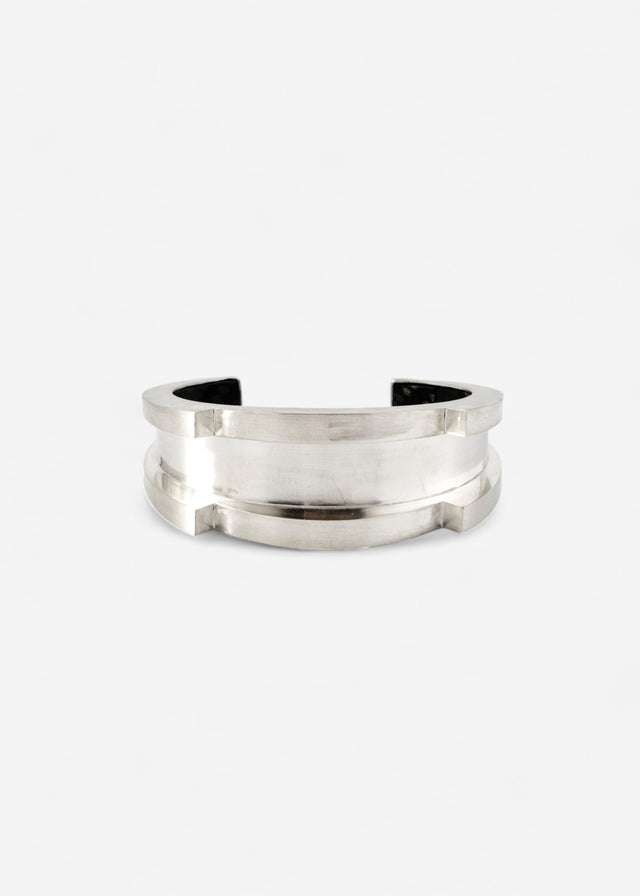
Sterling silver tarnishes. That is not a flaw — it is what 925 silver does in air. The right way to clean it is this: warm water, a soft cloth, mild soap, and patience. Skip the pastes, skip the dipping liquids, skip the toothpaste advice you read on Reddit. Most damage to silver bracelets does not come from neglect — it comes from aggressive cleaning that strips finishes a jeweler put there on purpose.
This guide is the same protocol I give clients when they pick up a piece from our oxidized silver bracelets collection. It works for chain bracelets, cuffs, link bracelets, and forms from the brutalist bracelets line. It also tells you what NOT to do — because half the bracelets that come back to me with damage have been "cleaned" with the wrong tool.
Why sterling silver tarnishes — and why that matters for cleaning
Sterling silver is 92.5% silver and 7.5% copper. The copper is what gives it strength — pure silver is too soft to hold a clasp or a hinge — and copper also reacts with sulfur compounds in air, sweat, perfume, and household chemistry. That reaction creates silver sulfide, which is the dark layer you see on a tarnished bracelet.
This matters because tarnish is surface chemistry, not corrosion. It sits on top of the silver, and a correctly polished bracelet returns to bright silver underneath. A wrongly polished bracelet loses metal — and once metal is gone, it is gone. This is the entire reason most jewelers warn against silver dip baths and abrasive pastes.
For the full chemistry of why 925 behaves this way, see our complete guide to sterling silver 925.
Before you clean: identify your finish
Not all silver bracelets are meant to be polished to a high shine. Look at your piece before you reach for a cloth.
- Polished finish — mirror-bright surface, and cleans back to original shine with a soft cloth.
- Matte or satin finish — soft, diffused light, and avoid silver polishing pastes; they will create shiny streaks.
- Oxidized finish — intentional dark patina in recessed areas, brighter on raised areas, and this is what most STRUGA bracelets carry. Aggressive cleaning will strip the patina and flatten the design.
- Hammered or textured finish — irregular surface where polish residue hides in dents and scratches, and needs a soft brush, not a cloth.
If your bracelet has an oxidized finish — common on men's brutalist pieces, signet bracelets, and pieces from the brutalist bracelets line — your goal is not to make it bright. Your goal is to remove the dirt while keeping the patina the jeweler placed in the recesses.
The basic home cleaning method — works for 90% of bracelets
This is the method I recommend first, and it removes light tarnish, body oils, soap residue, and most environmental dirt. It will not strip oxidation, and it will not damage gemstones. It is what your bracelet needs on a regular basis.
What you need
- A small bowl of warm (not hot) water.
- One drop of pH-neutral hand soap or dish soap without bleach.
- A soft microfiber cloth or a clean cotton t-shirt.
- A soft baby toothbrush — only if your bracelet has texture or links.
- A second clean cloth for drying.
The steps
- Mix the bath. Warm water and one drop of soap, and stir until you see no bubbles.
- Submerge for 2-3 minutes. Do not soak overnight, and extended soaks loosen sealants on closures and dull oxidized surfaces.
- Brush gently if needed. Only on textured or chain pieces, and use the toothbrush in one direction, never circular. Ten seconds is enough.
- Rinse under warm running water. Hold the bracelet near the drain — but plug it first, and I have replaced too many clasps that got washed into pipes.
- Pat dry immediately. Do not air-dry, and water spots leave their own residue on silver. Press the bracelet between two cloths.
- Polish lightly with a clean section of cloth. Work in straight lines along the length of the bracelet, and this realigns micro-scratches in the same direction the original finish was made.
That is the entire routine, and it takes five minutes. Done regularly, your bracelet will rarely need anything stronger.
What to do for heavier tarnish
If your bracelet has been in a drawer for a year, the basic method may not be enough. The next step up is a dedicated silver polishing cloth — not paste, not liquid, not foam.
A polishing cloth is treated with a very fine abrasive embedded in cotton. It removes a microscopically thin layer of tarnish without flooding the recesses with chemicals. This means oxidized areas stay dark while raised areas come back bright.
Two important rules with polishing cloths:
- Use straight strokes, not circles. Circular motion creates visible swirl marks on bright surfaces.
- Replace the cloth when it turns black. A saturated cloth pushes tarnish back onto the metal, and a new cloth costs less than ten dollars and lasts a year.
Keep the cloth in a sealed plastic bag between uses, and air exposure shortens its life.
What never to use on a sterling silver bracelet
This list saves more bracelets than the cleaning method itself.
Toothpaste
Toothpaste contains abrasives designed to remove dental plaque, which is much harder than tarnish. On silver, toothpaste removes metal — not just tarnish. Over a few cleanings it dulls polished finishes, scratches matte finishes, and completely strips oxidation. The shine you see in the first minute is the metal layer beneath. Do not use it.
Silver dip cleaners
The bottled liquids that "make tarnish disappear in seconds" work because they contain thiourea or strong acids that chemically dissolve silver sulfide. The problem: they also dissolve the oxidation a jeweler intentionally placed in the design. A piece dipped once turns from brutalist sculpture into shiny chain, and patina cannot be put back without sending the piece to a workshop.
Baking soda paste
Common kitchen advice, and mildly abrasive. The crystalline structure of baking soda is too coarse for fine-finish silver, and it scratches polished surfaces and over-cleans matte ones. If you have read this online, ignore it.
Aluminum foil and salt water
The "magic" trick where you line a bowl with foil, add hot water and salt, and drop the silver in. This is a real chemical reaction — electrolysis transfers the sulfide off the silver and onto the aluminum. The problem is the same as silver dip: it strips intentional oxidation, and it also damages stones, plated parts, and any glued component.
Ultrasonic cleaners (without checking)
Ultrasonic baths are excellent for plain solid-silver pieces with no stones and no glued components. They are dangerous for almost everything else, and vibrations loosen stone settings, especially channel-set or pave. They also crack inclusions in opals, turquoise, and meteorite. If your bracelet has stones or inlay material, never use ultrasonic at home. We use them in the workshop with very specific settings — that is not the same machine you can buy on Amazon.
How often should you clean a silver bracelet?
The honest answer: less often than the internet suggests, and silver wants to be worn, not scrubbed. (For the broader logic of how 925 alloy behaves through wear, the sterling silver jewelry guide covers it in detail.)
- Everyday wear bracelet: Wipe with a microfiber cloth every evening, and full warm-water clean once a month.
- Occasional wear: Quick warm-water clean every 3-4 months.
- Stored bracelet: Clean before storage, then leave alone. Cleaning a stored bracelet that already looks fine just removes patina you will eventually want back.
Wearing silver actually slows tarnish, and skin oils form a thin protective layer that resists sulfur. A bracelet on a wrist tarnishes more slowly than the same bracelet in a velvet pouch.
How to store silver between cleanings
Storage is where most bracelets pick up the tarnish people then ask me how to remove. Get this right and you clean less.
- Use anti-tarnish strips. Small paper strips that absorb sulfur compounds, and drop one in your jewelry box. Replace every six months.
- Avoid wool, felt, cardboard, and rubber bands. All of these release sulfur, and so does newspaper.
- Bag each bracelet separately. Zip-lock plastic with the air pressed out works as well as anti-tarnish pouches that cost twenty times more.
- Keep humidity below 50%. Bathrooms are the worst place to store silver, and bedrooms are fine.
- Do not store bracelets touching each other. Chains tangle, edges scratch, oxidized surfaces transfer to polished neighbors.
For a bracelet you wear now and then, a single zip-lock bag with one anti-tarnish strip is enough. That is the entire system.
Special cases — chains, cuffs, and pieces with stones
Chain bracelets
Chain links trap dirt in joints. Use a soft toothbrush at the warm-water stage, brushing in the direction of the chain, not across. After drying, lay the bracelet flat on a cloth and run the cloth along its length — this catches polish in every link without working each one separately.
Cuff bracelets
Solid cuffs are the easiest. Wipe with a damp cloth, dry, polish with cloth in straight strokes along the curve. If the cuff has texture, use a baby toothbrush only on the textured zone — never on the polished band.
Bracelets with stones
Avoid soaking. Use a damp cotton swab around the stone, then a dry one to lift moisture. Never let water sit at the base of a setting — it loosens prongs over time. For pieces with porous stones (turquoise, opal, pearl, meteorite inlay), do not use any soap. Damp cotton, dry immediately.
Carbon and mixed-material bracelets
If your bracelet pairs silver with carbon fiber, leather cord, or fabric — clean only the silver section. Use a dry polishing cloth and avoid getting water on the non-metal part. For deeper cleaning of mixed-material pieces, your jeweler is the safe answer, and the Bali silver jewelry guide covers the mixed-material technique in more depth.
When to take it to a jeweler
Most bracelets never need professional cleaning, and some do. Send your bracelet in if:
- The clasp does not click cleanly anymore.
- You see a green or red tint on skin under the bracelet (a sign the rhodium plating, if any, is wearing off).
- You notice a stone shifting in its setting.
- You want to refresh oxidation that has worn off the high points.
- The bracelet has been exposed to chlorine, sea water, or industrial chemicals.
Restoration in a workshop typically includes ultrasonic clean, fresh oxidation in the recesses, hand polish on the high points, and a check of all closures and settings. It is not expensive and it is the only way to bring a heavily worn bracelet back to its original look.
What about rhodium-plated bracelets?
Some sterling silver bracelets carry a thin rhodium coating to prevent tarnish. The cleaning rules change slightly: rhodium is harder than silver but thinner than the plating on a watch. Avoid all polishing cloths and pastes on rhodium-plated pieces — they will wear through the coating. Use only the warm-water method. When the plating finally wears (usually 2-4 years of regular wear), a jeweler can re-plate the bracelet for a small fee.
The five-minute weekly habit
Here is the routine I recommend to every client who buys their first silver bracelet:
- Take the bracelet off before sleep.
- Run a clean microfiber cloth along its length, both sides, for thirty seconds.
- Drop it in a small bag with an anti-tarnish strip.
- Once a month, do the warm-water clean.
- Once a year, send it to your jeweler for a check.
That is it, and no paste, no dip, no toothpaste. A bracelet treated this way will look the same in ten years as it does on day one — or better, because oxidized silver only deepens with patina in the recesses while the high points stay polished.
If you are choosing a bracelet now and want to understand which finish suits the way you wear it, our sterling silver jewelry guide covers finishes, weights, and oxidation in detail, and if you are looking at the men's range specifically, see oxidized silver bracelets for the full collection. And for the cultural context of the silversmithing tradition behind STRUGA pieces, our Bali silver jewelry guide walks through the technique and lineage.
Frequently asked questions
How often should I clean my sterling silver bracelet?
For everyday wear, wipe with a microfiber cloth nightly and do a warm-water clean once a month. For occasional wear, every 3-4 months is enough. Cleaning more often than this removes patina and shortens the life of finishes.
Can I use toothpaste to clean a silver bracelet?
No. Toothpaste contains abrasives designed for dental plaque, which is harder than silver tarnish. On silver, toothpaste removes metal layer by layer — it dulls polished finishes, scratches matte finishes, and completely strips oxidation.
Why is my silver bracelet turning black?
Black discoloration is silver sulfide — a chemical reaction between the copper in 925 silver and sulfur compounds in air, sweat, perfume, or household products. It is surface tarnish, not damage, and it cleans off with the warm-water method described above.
Is it safe to use silver dip cleaners on an oxidized bracelet?
No. Silver dip liquids dissolve silver sulfide chemically — including the intentional oxidation a jeweler placed in the design. One dip can turn a brutalist or textured piece into a flat, shiny chain. Use only warm water and a polishing cloth on oxidized bracelets.
How do I clean a silver bracelet with stones?
Avoid soaking. Use a damp cotton swab around each stone, then dry immediately with a clean swab. Never let water sit at the base of a setting — it loosens prongs. For porous stones like turquoise, opal, pearl, or meteorite, skip soap entirely; use only damp cotton.
Can sterling silver get wet?
Yes — water alone does not damage 925 silver. The problem is what is dissolved in water: chlorine in pools, salt in seawater, sulfur in hot spring water. Take the bracelet off before swimming, showering with strong soaps, or hot tubs.
How do I remove deep tarnish from a sterling silver bracelet?
Start with the warm-water method. If tarnish remains, use a dedicated silver polishing cloth in straight strokes (never circular). For severely tarnished pieces — typically those stored for years — send the bracelet to a jeweler for ultrasonic cleaning rather than escalating home methods.
About STRUGA. STRUGA is a dark silver jewelry brand founded by Dmitry Strugovshchikov and Ekaterina Strugovshchikova, handcrafted with Balinese and international silversmiths. Every piece is 925 sterling silver, naturally oxidized or hand-patinated, and the darkening is part of the design. It is a brutalist object that reacts and transforms through contact with the environment and the wearer.