
Why Do Men Wear Silver Rings? Meaning, Style, and Tradition
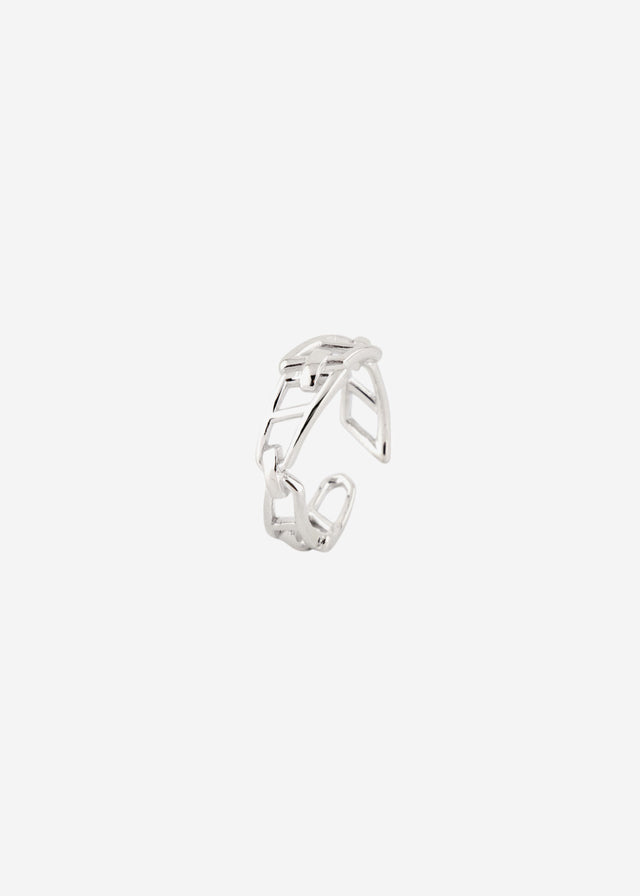
More Than Metal
Silver rings on men are older than fashion. From Roman senators to Viking warriors to modern techno-culture. Silver on male hands carries meaning that gold cannot replicate � darker, rawer, less ceremonial, more personal.
Historical Tradition
Throughout history, silver rings signified different things: clan membership, professional status, spiritual protection. Unlike gold (associated with royalty and wealth), silver was the metal of artisans, travelers, and those who valued craft over display.
Modern Meaning
Identity Signal
A silver ring today says: I make deliberate choices about how I present myself. It is not inherited jewelry or a status symbol � it is chosen, often self-bought, and carries personal rather than social meaning.
Dark Fashion
In the dark fashion and techno-culture communities, silver rings are essential � they complete the all-black aesthetic with metallic counterpoints that catch minimal light.
Craft Appreciation
Handmade silver rings (like STRUGA) signal appreciation for craft and material honesty. The weight of solid silver, the developing patina, the visible maker marks � these are qualities that machine-made jewelry cannot replicate.
Which Finger?
- Index: Authority, attention.
- Middle: Balance, the largest canvas.
- Ring finger: Not just for marriage anymore.
- Pinky: Classic signet position.
- Thumb: Unconventional, works with wide bands.
Living Silver
STRUGA rings develop patina through wear � the silver darkens where it contacts your skin, creating a unique pattern that is yours alone. This is why we do not coat our silver: the ring records how you live.
Related
The cultural history of men wearing rings
Men wearing rings is not a recent fashion. Across most cultures and most historical periods, rings have been part of male dress — signet rings as identity markers, signet rings as authority signals, ceremonial rings, military rings, fraternal rings, family heirlooms. The 20th-century convention that limited men's rings to «wedding band only» was a narrow Western fashion moment, not a universal rule.
Several specific traditions inform contemporary men's silver-ring wear:
- Signet rings — historically used to seal documents and signify family or clan identity. Still worn as identity markers in some traditions.
- Military and service rings — branch identification, unit identification, retirement markers.
- Fraternal rings — Masonic, university, professional society rings.
- Memorial rings — marking specific events, losses, or commitments.
- Statement rings — pure aesthetic without specific symbolic meaning, increasingly common in contemporary wear.
The contemporary man wearing a heavy silver ring sits within all of these traditions simultaneously — the ring carries layered meaning even when no specific symbolism is invoked.
What different ring placements signal
| Finger | Traditional meaning | Contemporary reading |
|---|---|---|
| Pinky | Identity, signet, family | Style statement, often the «character» ring |
| Ring finger | Marriage, commitment | Wedding band, partnership marker |
| Middle finger | Independence, balance | Heavy statement ring placement |
| Index finger | Authority, leadership | Bold statement, often signet |
| Thumb | Strength, friendship | Less common; usually larger pieces |
Contemporary men wear rings on any finger; the «traditional meaning» is now more reference than rule.
Why silver specifically
- Weight at accessible price. A heavy 15–25g silver ring costs $100–$300; the same weight in gold runs $1,200–$3,000. The metal cost is the only difference; the visual impact is similar.
- Ages with wear. Living Silver develops patina with daily wear. The ring becomes a record of the years it's been worn — a feature that gold rings lack.
- Reads as deliberate. A silver ring on a man is rarely accidental. The wearer chose silver over default options. This intentionality reads in the piece itself.
- Repairable. Heavy silver rings can be resized, refinished, partially recast across decades. Daily-wear damage is reversible.
- Aesthetic flexibility. Silver works across architectural minimal, gothic ornamental, brutalist, and more traditional registers. Few metals span this range.
How to choose a first silver ring
- Get the size right. Use a proper sizing tool or visit a jeweler. Fingers swell and shrink throughout the day; size when the hand is at average temperature, not after exercise.
- Match the design to your hand. Larger hands suit heavier and wider rings. Smaller hands wear thinner rings better. Test pieces on the actual hand before deciding.
- Pick a placement that fits your daily wear. Active jobs need rings that don't snag — lower profiles, no protruding stones. Office work allows more sculptural pieces.
- Consider the surface finish. Bright polished silver shows scratches more visibly. Brushed and oxidized silver hides daily-wear scratches better.
- Start with one piece. Wear it consistently for a few months before adding to the collection. The first ring teaches you what you actually want.
Frequently asked questions
Is wearing multiple rings unprofessional?
Depends on the field and specific workplace. Conservative legal, financial and government roles often expect one or zero visible rings. Creative, tech and academic roles tolerate or encourage personal style. Match to context.
What's the right weight for a man's first ring?
8–15g is the sweet spot. Heavy enough to feel substantial; light enough to be comfortable for daily wear without conscious awareness. Above 20g is statement-tier; below 8g is delicate.
Can I wear a wedding band on a non-traditional finger?
Yes. Personal preference. Some couples specifically choose non-ring-finger placement to differentiate from convention. Functional considerations (which hand is dominant, which finger fits the ring naturally) often matter more than tradition.
Will a silver ring tarnish if I wear it daily?
Yes — and this is by design for Living Silver. The patina develops within weeks of consistent wear. Polish back to bright if you prefer, or let the patina accumulate as character.
What about rings during physical work?
Take rings off for heavy lifting, manual tools, contact sports. Brief manual work (typing, lifting groceries, cooking) is fine. The risk on heavy physical work is both ring damage and finger injury (degloving from caught rings).
Does silver hold up to sweat?
Yes. Sweat accelerates patina but doesn't damage the metal structurally. Wipe the ring dry after heavy sweating to prevent uneven darkening.
Can I wear gold and silver rings together?
Possible but rarely intentional in dark/architectural aesthetics. Most contemporary men's stacks stay within one metal family for visual coherence.
About STRUGA. STRUGA is a dark silver jewelry brand founded by Dmitry Strugovshchikov and Ekaterina Strugovshchikova, handcrafted with Balinese and international silversmiths. Every piece is 925 sterling silver, naturally oxidized or hand-patinated. The darkening is part of the design. It is a brutalist object that reacts and changes through contact with the environment and the wearer.