
Tourmaline Jewelry: Colors, Meaning, and How to Choose
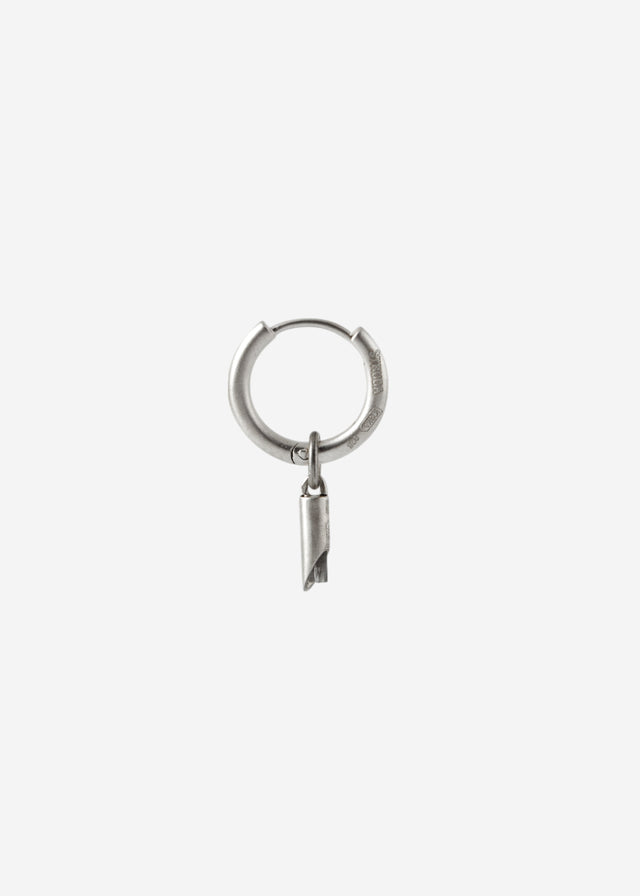
Tourmaline: The Gemstone With a Thousand Colors
Of all the gemstones used in contemporary jewelry, tourmaline may be the most versatile and underappreciated. Available in virtually every color, from electric pink to deep forest green to midnight black, tourmaline offers a range that no other single mineral can match.
What Is Tourmaline?
Tourmaline is a boron silicate mineral found in granite and metamorphic rocks worldwide. Slight variations in composition produce dramatically different colors. A single crystal can contain multiple colors, creating the famous watermelon effect with pink centers and green exteriors.
Key varieties include Rubellite (pink to red), Indicolite (blue), Verdelite (green), Schorl (black), and Paraiba (neon blue-green, the rarest). Each has distinct visual properties, but they all share a characteristic vitreous luster and pleochroism.
Tourmaline in Silver Jewelry
Tourmaline pairs exceptionally well with sterling silver, particularly in oxidized finishes. The contrast between dark, aged silver and a vivid pink or green tourmaline creates a visual tension that polished gold cannot achieve. This is why STRUGA features tourmaline prominently, from the Thorn Frame earrings to pendants where the stone becomes the visual center of an architectural silver form.
Color Meanings and Properties
Pink Tourmaline ranges from soft baby-pink to deep raspberry-red. In dark silver settings, pink tourmaline creates a striking contrast that draws the eye immediately.
Green Tourmaline ranges from bright spring-green to deep forest tones. Forest-green specimens in oxidized silver produce a rich, almost ancient look.
Blue Tourmaline (Indicolite) is one of the rarer varieties. Its deep blue tones complement silver beautifully.
Black Tourmaline (Schorl) is the iron-rich, opaque variety, near-black in colour. On oxidized silver it creates a monochromatic intensity that is subtle yet powerful.
Purple Tourmaline sits between the warmth of pink and the depth of blue. Rare and visually complex, purple specimens shift color under different lighting.
How to Choose Tourmaline Jewelry
Prioritize color over clarity. A stone with vivid, rich color and minor inclusions is more visually striking than a pale, perfectly clear specimen.
Consider the setting. Bezel settings protect the stone while allowing maximum visibility. STRUGA designs typically use silver bezels that frame the tourmaline as a focal element.
Natural shapes add character. Cabochon-cut tourmalines show color depth beautifully. Rough stones preserve the natural geometry, pairing well with brutalist designs.
Tourmaline Care
Tourmaline rates 7 to 7.5 on the Mohs hardness scale, durable enough for daily wear but softer than sapphire. Avoid ultrasonic cleaners. Clean with warm water, mild soap, and a soft brush. Store separately from harder stones.
Explore STRUGA tourmaline jewelry: handset natural stones in dark sterling silver. Browse the collection
Continue Reading
Tourmaline durability and care
Tourmaline at Mohs 7–7.5 is harder than amethyst (7), softer than sapphire (9). For jewelry purposes, this means tourmaline is durable enough for daily wear in most contexts but should be protected from sharp impact and harsh abrasives.
- Daily wear: Fine for rings, pendants, and earrings. Take off for sports involving impact (climbing, contact sports, heavy lifting with bare hands).
- Water: Tourmaline itself is water-resistant. Avoid extended hot water (loosens settings over years) and chlorinated pool water (affects the silver setting more than the stone). Brief contact during handwashing is fine.
- Cleaning: Soft cloth and warm soapy water for routine cleaning. Soft toothbrush for textured settings. Avoid ultrasonic cleaners — vibration can stress the bezel and loosen raw stones.
- Storage: Keep separate from harder stones (diamond, sapphire). Hard stones can scratch tourmaline if they bump together in storage.
Have setting tightness checked annually if the piece is worn frequently. STRUGA offers this as part of lifetime maintenance for our pieces.
Sourcing and pricing — what affects tourmaline value
Five factors affect tourmaline pricing on the global market:
- Color saturation. Deep, vivid colors (rich pink, deep green, intense blue) command premium prices. Pale or washed-out stones are significantly less valuable.
- Color rarity. Paraiba blue (copper-bearing tourmaline from Brazil) is the rarest and most expensive. Pure indicolite blue is also rare. Common pink and green are more accessible.
- Clarity. Eye-clean stones cost more than included ones. STRUGA's raw stones celebrate inclusions as character; jewelry-store grade stones are typically heat-treated for clarity.
- Size. Larger stones are exponentially more expensive — a 5-carat rich pink tourmaline can cost 5x what five 1-carat pieces cost.
- Origin. Brazilian, Afghan, Nigerian, and certain American (Maine) tourmaline carry different prices based on traditional source reputation.
STRUGA uses raw, untreated stones across the color range. Source documentation is available on request for higher-priced pieces.
Frequently asked questions
Are STRUGA tourmaline pieces real natural tourmaline?
Yes. Every stone is natural — no synthetic, no lab-grown, no heat-treated. Source provenance is available on request for higher-priced pieces.
What is heat treatment and why don't STRUGA stones use it?
Heat treatment is a controlled heating process applied to many gemstones (including most jewelry-store tourmaline) to improve color and clarity. STRUGA uses unheated stones because the design philosophy values natural form over standardized appearance. Heat-treated stones are not «fake» — they are real natural stones with cosmetic enhancement; they are just not what STRUGA does.
Why are some STRUGA tourmaline pieces marked one-of-one?
When a specific raw crystal is unique enough that no equivalent exists, the piece is marked as a one-of-one in the RITUAL one-of-one collection. These pieces are not part of an ongoing production run; once sold, they cannot be reproduced.
Can I have a custom tourmaline piece in a specific color?
Yes through Custom Order. STRUGA can source specific tourmaline colors and saturations within a 4–6 week lead time. Some rare colors (Paraiba, vivid indicolite, watermelon) are subject to availability.
Will a raw tourmaline piece hold value?
Tourmaline as a stone has stable but not dramatic resale value. Higher-saturation rare colors hold value better than common pink or green. Most buyers buy for design, not for resale.
What if the stone falls out?
Raw-stone settings should be inspected annually for tightness. STRUGA settings are designed for the irregular shapes of raw crystals, but settings can loosen with extended wear. If a stone falls out, send the piece (and the stone) back to the maker for re-setting. Don't try to glue it back yourself.
Why does the same color of tourmaline cost different amounts in different pieces?
Three factors. First, the size and saturation of the specific stone. Second, the complexity of the setting and surrounding metalwork. Third, whether the piece is one-of-one (unique stone, can't reproduce) or part of a production line. Pricing reflects all three.
About STRUGA. STRUGA is a dark silver jewelry brand founded by Dmitry Strugovshchikov and Ekaterina Strugovshchikova, handcrafted with Balinese and international silversmiths. Every piece is 925 sterling silver, naturally oxidized or hand-patinated. The darkening is part of the design. It is a brutalist object that reacts and changes through contact with the environment and the wearer.