
How to Prevent Silver from Tarnishing — A Sterling Silver Care Guide That Actually Works
Sterling silver tarnishes because copper — the 7.5% in 925 sterling silver — reacts with sulfur and oxygen in the air, and tarnish is not damage. It is a thin, dark surface layer that you can prevent, slow down, or eliminate. Worn pieces tarnish slower than stored pieces. Storage with airtight conditions and an anti-tarnish strip beats any spray or coating. This guide is how to maintain your sterling silver bright with the methods that actually work — and which popular tips quietly do nothing.
Key takeaways
- Wear it. Skin oils slow tarnish. Pieces in regular rotation stay bright far longer than pieces in a drawer.
- Seal it for storage. Airtight zip bag plus an anti-tarnish strip blocks the sulfur and humidity that drive tarnish.
- Last on, first off. Apply perfume, lotion, sunscreen, and hairspray before you put silver on, and take silver off before showering, swimming, or sleeping.
- Polish gently. A dry sterling silver polishing cloth handles 90% of cases. Skip toothpaste, baking soda paste, and aluminum-foil tricks on textured or oxidized work.
- Living Silver philosophy. Light surface change is part of how silver becomes yours. Bright is a choice, not the only correct state.
Why sterling silver tarnishes in the first place
Pure silver — 999 fineness — barely tarnishes, and drop it in a vault and it stays bright for years. The problem is that pure silver is too soft for jewelry; it bends, scratches, and loses shape under everyday wear. This is why the world standard for wearable silver is sterling silver: 92.5% silver, 7.5% copper.
7.5% copper is where tarnish comes from. Copper reacts with airborne sulfur compounds — hydrogen sulfide, sulfur dioxide — to form copper sulfide. The reaction also pulls in oxygen and moisture. The result is a thin film on the surface that starts as warm yellow, deepens to brown, and finishes as a dark grey or near-black skin. None of this changes the silver underneath, and the metal is the same. Only the top few atomic layers are different.
Three things speed up tarnish:
- Sulfur in the air. Cities with industrial activity, traffic exhaust, and indoor air with active heating systems all carry more sulfur. Coastal humidity adds to it.
- Direct contact with sulfur sources. Wool, rubber, latex, some leather treatments, eggs, onions, and certain hot-spring waters all release sulfur compounds.
- Humidity above ~60%. Water vapor accelerates the reaction. A bathroom drawer is one of the worst storage locations in any home.
Two things slow it down:
- Skin contact. Natural oils from your skin form a thin barrier. Pieces you wear every day tarnish noticeably slower than pieces you put away.
- Sealed, dry storage. Less air contact, less humidity, less sulfur, and sealed properly, sterling silver can sit for months without visible change.
Daily wear: the rules that actually matter
The single best thing you can do for a sterling silver piece is wear it. Bright silver and worn silver are not opposites — they reinforce each other. The friction of clothing, contact with skin oils, and gentle everyday handling work like a continuous polish. The pieces that go cloudy fastest in our experience are the ones purchased for "special occasions" and left in a drawer.
That said, four habits separate clean everyday wear from accelerated tarnish:
1. Last on, first off
Treat sterling silver like the final layer of getting dressed. Apply everything else first — perfume, body lotion, deodorant, sunscreen, hairspray, makeup — and let it dry on your skin. Then put the silver on. The reverse rule applies at the end of the day: silver comes off first, before makeup remover, shower, or sleep.
This matters because most personal care products contain compounds that react with silver. Sulfur is in many shampoos and conditioners, and chlorine in a swimming pool will dull silver in a single afternoon. Saltwater is gentler than chlorine but still rough on highly polished surfaces over time.
2. Take it off for water and sleep
Showering in silver does not destroy it, but it speeds tarnish. The water itself is fine — it's the soap film, shampoo residue, and humidity that build up in clasps and chain links. Sleeping in silver is a different problem. Bed linens are frequently treated, and the slow rub of fabric over hours pulls fibers into clasps and creates micro-scratches on polished surfaces.
The exception is rings, and a simple, sturdy sterling silver ring with no fragile stones can be worn through showers and sleep without harm — just expect to clean it more often. For chains, earrings, and bracelets, the ten seconds of taking them off is worth it.
3. Avoid the obvious chemical hits
Pool chlorine, hot tubs, household cleaners (especially anything with bleach or ammonia), hair dye, and direct contact with rubber gloves will mark silver visibly. Saltwater is less aggressive but still corrosive over time. If you live by the sea and want to wear silver to the beach, accept that the shine will not be gallery-perfect six months in. Many of our clients prefer the result — the metal develops a softer, lived-in surface that is part of how silver becomes yours.
4. Wipe it down at the end of the day
The single best ten-second habit: when you take silver off, give it a quick rub with a soft cotton or microfiber cloth. This eliminates the day's body oils, salt, and any product residue before they sit overnight. A piece wiped every day and stored sealed will need a real polish maybe twice a year.
How the seasons change the rules
The same piece behaves differently across the year, and a little adjustment by season saves most of the cleaning.
Summer. Heat means more sweat, and sweat is the fastest accelerator there is. Add sea salt at the beach and sunscreen in the city and silver darkens far quicker than in winter. Wear it on dry skin, not over cream, and wipe it down after a day in the sun.
Winter. The enemy is the temperature swing. Coming in from the cold to a heated room leaves condensation on the metal, and moisture sitting under a sleeve does the rest. Let a piece reach room temperature and wipe it before putting it away.
On the road. Long heat and humidity in transit are hard on silver. Wipe pieces at the end of each day rather than waiting until you are home.
Storage: the part most people get wrong
If wearing silver is the best protection, sealed storage is the second best. Open jewelry trays, fabric pouches, and lined wooden boxes — all the things that look elegant in a drawer — are the worst options for slowing tarnish. They expose the metal to constant air exchange, ambient sulfur, and humidity.
What works:
- Small zip-lock bags, one per piece. Air pressed out before sealing, and this single change cuts tarnish dramatically. Each piece in its own bag prevents chains from tangling and stops harder pieces from scratching softer ones.
- Anti-tarnish strips. These are paper strips treated with activated carbon and other absorbers. One small strip in each bag pulls sulfur compounds out of the air inside. Replace every six to twelve months, and inexpensive and the most effective single thing you can purchase.
- Silica gel packets. The same packets that come in shoe boxes and electronics, and they control humidity. Drop one or two into your storage box for an extra layer of protection.
- A cool, dry, dark drawer. Not a bathroom, and not a windowsill. Bedroom drawers and dressing-table drawers in interior rooms are ideal — stable temperature, low humidity, no UV.
What does not work as well as people think:
- Soft cloth pouches with no sealing. Looks luxurious, does almost nothing for tarnish. Use as a secondary layer inside a sealed bag if you want fabric protection.
- Wooden boxes with felt linings. Same problem, and some wood species (cedar, oak) actually release acidic compounds that accelerate tarnish. Beech and walnut are neutral but still don't seal.
- Display stands and open trays. Beautiful, but the silver tarnishes faster than anywhere else, and if you display, polish more often.
For travel
A small, hard-sided travel jewelry case with individual zip pockets, plus an anti-tarnish strip in each section. Avoid soft rolls — they let pieces rub against each other and against the fabric. Never store silver in a hotel safe with rubber seals: rubber is one of the worst sources of sulfur for silver.
Cleaning: how to remove tarnish without damaging the piece
Tarnish is reversible. The question is how aggressively to eliminate it, and the answer depends on the finish.
Polished sterling silver — the easy case
For high-shine, polished surfaces, a sterling silver polishing cloth (impregnated with a mild polish) handles most tarnish in under a minute. Wipe with the impregnated side until the cloth pulls grey residue off the metal, then buff with the clean side to bring up the mirror finish. Do this every few weeks if you wear it every day, every couple months if you store sealed.
For stubborn tarnish on polished surfaces, a mild silver dip (commercial product like Hagerty or Goddard's) works in seconds. Dip, rinse with cool water, dry immediately with a soft cloth. Do not leave the piece in the dip — over-exposure removes too much surface and leaves a chalky look.
Oxidized, antiqued, or matte sterling silver — the careful case
Many STRUGA pieces use intentional oxidation to deepen recesses and bring out texture, and the dark areas in industrial Blade links, Brutalism, and Thorn work are part of the design, and eliminating them with aggressive polishing destroys the piece visually.
For these pieces:
- Use a dry microfiber cloth only on the high points. Buff the raised surfaces lightly to refresh the contrast between bright and dark areas. Do not rub deeply into the recesses.
- Avoid silver dip entirely. A dip will strip the oxidation in seconds and the piece will look wrong. We've observed this go wrong on more pieces than we can count.
- Avoid baking-soda paste and toothpaste. Both are abrasive enough to dull matte finishes and cut into oxidation patinas. They also leave fine scratches under magnification.
- If a piece is heavily tarnished and you've lost contrast, send it to a jeweler. Re-oxidation by a professional restores the design properly. With STRUGA pieces this service is part of how we support the work over time.
The aluminum foil and baking soda trick — what it actually does
You'll discover this method everywhere online: line a bowl with aluminum foil, add hot water, baking soda, sometimes salt, drop the piece in. It works through a chemical reaction (galvanic exchange) that pulls tarnish off the silver and onto the foil. Fast, satisfying, dramatic.
It also strips intentional oxidation, can leave the silver looking flat or chalky, and over time can dull the surface character of better pieces. It is acceptable on understated, polished sterling — chains, simple bands, basic studs. It is not appropriate on textured, designer, or oxidized work, and we do not recommend it for any STRUGA piece.
Heavy tarnish on chains
The hardest tarnish to deal with is on the inside of chain links — the polishing cloth can't reach. Two options:
- A short, controlled silver dip. Drop the chain in for ten to twenty seconds maximum, agitate, lift, rinse thoroughly under running water, dry immediately. Polish dry with a soft cloth.
- An ultrasonic cleaner with a mild jewelry detergent. Effective on understated chains, and avoid for chains with stones, oxidation, or fragile components.
The tips that don't work (or quietly damage your silver)
- Toothpaste. Mildly abrasive at best, aggressively abrasive at worst depending on brand, and leaves micro-scratches that dull the surface.
- Anti-tarnish sprays and coatings on raw silver. Lacquers and polymer coatings interfere with the way silver feels and patinas, and they also flake unevenly. Skip.
- Storing silver "with the rest of the jewelry." Silver maintained against gold or steel will tarnish faster from electrochemical contact, and silver maintained against rubber bands or rubber clasps will tarnish in weeks.
- Lemon juice or vinegar. Acids dissolve the tarnish but also eat into the silver itself and any oxidation. Not worth it.
- Polishing motor tools at home. Easy to remove too much metal and round off design edges, and leave to a jeweler.
The Living Silver perspective: when not to polish
STRUGA work is built around the idea of Living Silver — the philosophy that silver becomes more itself the longer you wear it. The hand-cast surfaces, the texture, the contrast between bright and oxidized — these are not protected from time. They develop. A ring that's been on a hand for two years looks different from the day it left the bench. The high points get brighter from skin contact, and the recesses deepen. Edges soften where they touch other fingers.
This is not tarnish, and tarnish is what happens when silver sits unworn in poor storage. Patina is what happens when silver lives. Most of our clients learn the difference within the first six months and stop reaching for the polishing cloth as a reflex.
The practical version: wear, wipe down at night, store sealed when traveling or pausing a piece for a season. Polish twice a year if you like the high gloss, or don't. Both are correct.
How STRUGA pieces are finished — and what that means for care
Every STRUGA piece is hand-cast in 925 sterling silver in our Bali workshop in Gianyar regency. Casting is the lost-wax method, and after casting, finishes vary by family:
- Signature Asymmetric and Signature Heart: high-polish surface with selective oxidation in recesses, and everyday-wear safe. Polishing cloth refreshes the high points; do not aggressively polish the dark sections.
- Blade and Brutalism: oxidized backgrounds with bright contrasting facets, and wear-driven contrast develops over time. Polish only the high points; never dip.
- Thorn: textured matte surfaces with oxidation in the wells, and microfiber cloth only. Never abrasive cleaners.
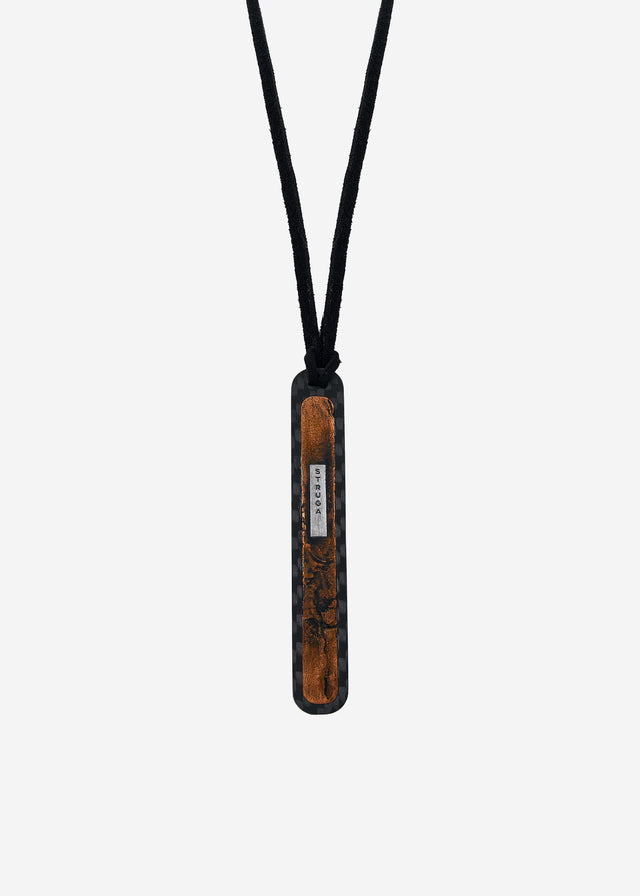
- Carbon family pieces: the sterling silver components follow the same rules as Blade — refresh high points with a cloth, leave the recesses. Carbon-fiber elements are cleaned with a damp lint-free cloth only.
About STRUGA. STRUGA is a dark silver jewelry brand founded by Dmitry Strugovshchikov and Ekaterina Strugovshchikova, handcrafted with Balinese and international silversmiths. Every piece is 925 sterling silver, naturally oxidized or hand-patinated, and the darkening is part of the design. It is a brutalist object that reacts and transforms through contact with the environment and the wearer.