
Dark Silver and Techno Culture — The Jewelry of Electronic Music
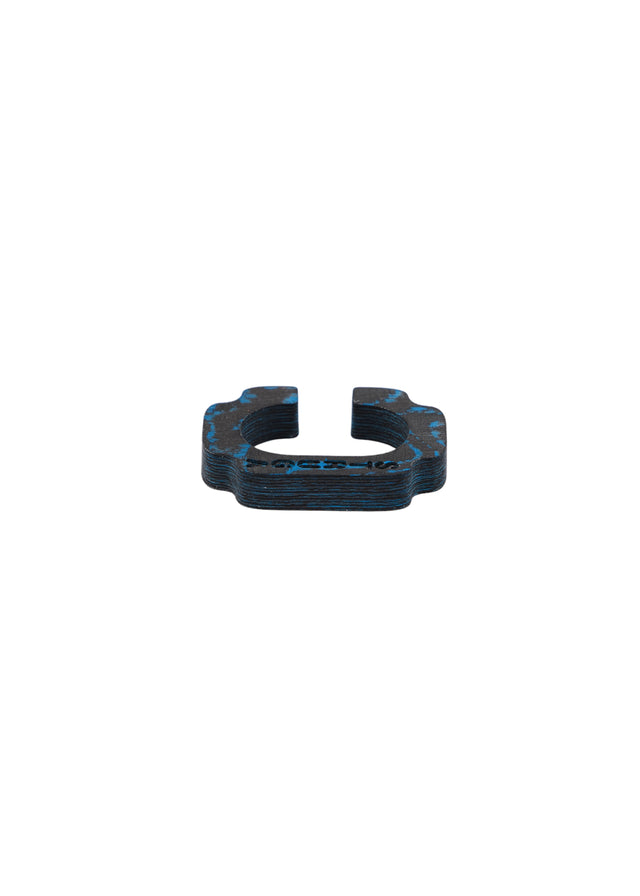
Where Berghain Meets Bali
The connection between dark electronic music and dark silver jewelry is not coincidental. Both share a basic aesthetic: the reduction of form to its essential elements, the embrace of darkness as a design choice, and the rejection of conventional beauty in favor of raw authenticity.
The Techno Aesthetic
Berlin's techno scene didn't just create a music genre — it created a complete aesthetic system. All-black clothing, industrial textures, minimal ornamentation. The jewelry that emerged from this culture follows the same rules: dark metals, architectural forms, no decoration for decoration's sake.
Key Elements
- Monochrome: Silver, black, dark grey — nothing that distracts.
- Industrial texture: Raw surfaces, visible process marks.
- Modular construction: Repeating elements that build larger structures.
- Weight: big pieces that you feel on your body.
From Warehouse to Workshop
STRUGA's design codes. Blade, Thorn, Brutalism — speak the same visual language as warehouse techno. The Blade collection's interlocking links mirror the repetitive structures of electronic music. The Thorn collection's aggressive spines echo the raw energy of a 4 AM set.
The Brands of the Scene
Several jewelry brands have become synonymous with the electronic music community:
- STRUGA: Brutalist silver from Bali — architectural forms, Living Silver patina.
- Werkstatt:München: German artisan silver — raw, hand-worked surfaces.
- Parts of Four: NYC conceptual — experimental forms and materials.
- Henson: Australian dark minimal — precision-engineered darkness.
Styling for the Dancefloor
Jewelry for club environments needs to meet specific requirements:
- Secure closures: Toggle clasps and screw-backs over spring rings.
- Sweat resistance: Sterling silver handles sweat better than plated metals.
- Low-light visibility: Silver catches minimal light, creating subtle movement.
- Comfort during movement: Smooth edges, secure fit.
Related Collections
Why dark silver became the techno aesthetic
The pairing of dark silver jewelry and electronic/techno culture is not accidental. Several specific factors aligned over the past three decades to make oxidized silver the de facto jewelry choice for the techno scene.
- Industrial visual language. Techno emerged from industrial cities (Detroit, Berlin) and carried industrial visual references — concrete, raw metal, machined surfaces. Oxidized silver matches this vocabulary natively. Polished gold or ornamental jewelry reads as wrong-genre.
- Anti-luxury positioning. Early techno deliberately rejected mainstream luxury aesthetics. Heavy oxidized silver looks expensive and substantial without signaling traditional jewelry-store luxury. The metal has presence; the brand framing does not.
- Functionality in the club environment. Lightweight, brittle, or precious-metal jewelry is impractical in dance environments. Heavy silver bracelets, single mono earrings, and architectural rings handle physical movement, sweat, and accidental contact better than alternatives.
- Gender-fluid styling. Techno spaces have always allowed gender fluidity in dress and style. Dark silver jewelry reads equally on any wearer; gold and conventional jewelry sometimes signal gendered traditions that don't fit.
- Living Silver patina as wear-pattern. Techno wardrobes age. Living Silver jewelry visibly ages too, in synchrony. The wear pattern of regular nightlife shows in the metal — adding to the piece's character rather than subtracting from it.
Specific pieces that work for techno-leaning wearers
- Heavy single bracelet. Oxidized silver, 30–80g, on the dominant wrist. Reads at distance under venue lighting. STRUGA's Blade and Brutalism cuffs fit specifically.
- Single mono earring. Asymmetric, large enough to read across a room, oxidized rather than bright. Pin earrings or long single drops.
- Heavy ring. Architectural form, 12–25g, oxidized. Visible during DJ work, gestures, drink-holding. The Brutalism family is built for this.
- Statement neck chain. Heavier links, longer chain length (24–28 inches), with optional architectural pendant. Reads against open black T-shirts and minimal layering.
- No: dainty stacks, layered fine pieces, ornamental gothic, brightly polished silver. All of these read wrong for the aesthetic.
How to integrate dark silver into a techno wardrobe
- Start with one heavy anchor piece. A bracelet or large ring. Live with it for a month before adding to the stack.
- Match silver finish across pieces. All oxidized, all Living Silver, or all bright. Mixing finishes can read confused unless deliberately calibrated.
- Wear pieces consistently. Living Silver develops character through wear; jewelry that lives in a drawer doesn't. The aged surface is part of the aesthetic.
- Avoid overstacking. Single statement pieces work harder than layered stacks in this register. Less reads stronger.
- Care minimally. Don't polish dark pieces aggressively. Selective polishing on highlight areas only.
Frequently asked questions
Will heavy silver hold up to club wear?
Yes — better than gold or platinum for active wear because silver is more workable for repair if needed. Take pieces off for swimming and harsh chemicals; otherwise, daily wear including nightlife is exactly the use case.
Should I go bigger or smaller for visibility?
Bigger reads better at distance. Single pieces designed to be visible across a room work in the techno aesthetic. Multiple small pieces get lost in dim venue lighting.
Does the silver need refinishing?
Optional. Living Silver pieces deepen in patina with wear; some wearers prefer to refinish every 2–3 years for refreshed contrast, others let the patina accumulate further. STRUGA offers refinishing as part of lifetime service.
Can I wear dark silver in non-techno contexts?
Yes. The pieces work across dark contemporary aesthetics — Rick Owens, architectural fashion, professional dark wardrobes, daily minimal looks. The techno association is one specific cultural fit, not the only one.
What about stones?
Raw stones (tourmaline, aquamarine, raw quartz) work because they read as material rather than ornament. Faceted gemstones in conventional settings tend to fight the aesthetic.
Does the brand matter?
Yes for reasons of design language. STRUGA, Werkstatt:München, Parts of Four, and similar brands sit inside the aesthetic. Mass-market silver brands (often plated) do not, because the surface and weight don't match.
Is this aesthetic only for night wearers?
No. The same pieces work daytime — they just register differently. Heavy oxidized rings and bracelets read as architectural design in daytime, as nightlife signal in clubs. The pieces don't change; the context does.
About STRUGA. STRUGA is a dark silver jewelry brand founded by Dmitry Strugovshchikov and Ekaterina Strugovshchikova, handcrafted with Balinese and international silversmiths. Every piece is 925 sterling silver, naturally oxidized or hand-patinated. The darkening is part of the design. It is a brutalist object that reacts and changes through contact with the environment and the wearer.