
Dark Engagement Rings — Black, Oxidized, and Gothic Alternatives (2026 Guide)
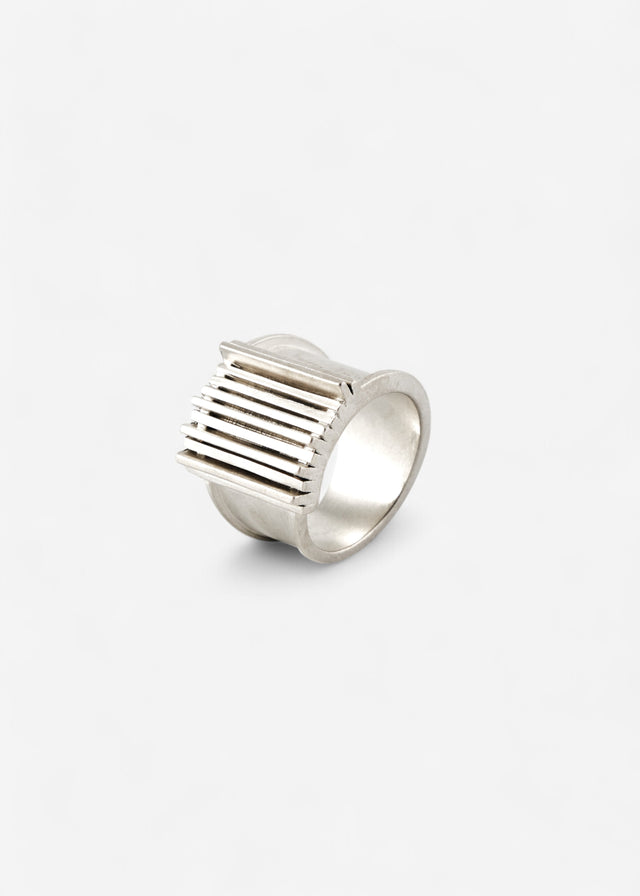
Dark Engagement Rings — Black, Oxidized, and Gothic Alternatives (2026 Guide) | STRUGA
A dark engagement ring is silver or gold treated to a deep black, charcoal, or graphite finish — the opposite of the polished diamond solitaire most jewellery shops still default to. The category covers oxidized sterling, black-rhodium plated metal, blackened tantalum and titanium, brutalist sculptural forms, and gothic-influenced silhouettes. This guide explains what makes a ring "dark," how the colour is achieved, how long it lasts, and how to choose a piece that holds up to daily wear.
Key takeaways
- "Dark" usually means oxidized 925 sterling silver — a controlled chemical reaction that turns the surface black, charcoal, or smoke grey.
- Black-rhodium plated gold, blackened tantalum, and zirconium are the alternative routes; each behaves differently on the finger.
- Dark engagement rings are the fastest-growing segment of alternative engagement, driven by gothic-aesthetic couples, design-aware millennials, and the broader move away from white-diamond convention.
- STRUGA's Dark Union page is the reference catalogue — silver-first, hand-oxidized in our Bali workshop, brutalist and sculptural forms.
What "dark" actually means in a ring
"Dark engagement ring" is a description of the finish, not the form. A dark ring can be a thin minimalist band, a wide brutalist cigar, a sculptural statement piece, or a classical solitaire — the unifying feature is the colour of the metal. Where a conventional engagement ring is white (white gold, platinum, polished sterling) or warm (yellow gold, rose gold), a dark ring is black, charcoal, graphite, or smoke.
The darkness is achieved in one of four ways. The first and most common in author jewellery is oxidation — a deliberate chemical reaction that turns the surface of sterling silver black. The second is black-rhodium plating, a thin metallic coating applied over white gold, palladium, or silver. The third is using a metal that is naturally dark — tantalum, zirconium, blackened titanium, or carbide. The fourth is enamel or coating, used in costume work but not in serious engagement pieces. The differences matter for how the ring ages, how it can be repaired, and how it feels on the hand. We unpack each below.
Why dark engagement rings are growing fastest
The shift away from the white-diamond solitaire has been running for a decade. Within that broader move, dark rings are the fastest-growing sub-segment — outpacing salt-and-pepper diamonds, sapphires, lab-grown stones, and rose gold. Three reasons stack on top of each other.
1. Aesthetic visibility. A dark ring is unmistakable. From across a room you can see that someone is wearing something other than the conventional choice. For couples who value being recognisable as themselves rather than as participants in a script, that visibility is the point. Sapphires read as traditional-with-a-twist. A dark oxidized brutalist band reads as actively contemporary.
2. Gothic and alternative aesthetics moved into the mainstream. Black, dark, gothic, witchy, and dark-academia visual languages — once subcultural — sit firmly in the mainstream of fashion, interior design, and lifestyle media in the mid-2020s. Couples who grew up with this aesthetic want a ring that fits the rest of their visual world. A polished six-prong solitaire does not.
3. Practical durability. A polished mirror-finish ring shows every scratch within a month of daily wear. A textured, oxidized, or blackened ring hides micro-scratches by design. The dark finish is more forgiving on hands that work — keyboards, kitchens, climbing holds, surgical gloves. Many of our clients arrive for the aesthetic and stay for the practical resilience.
The four routes to a dark ring
1. Oxidized sterling silver — the author-jewellery standard
Oxidation is the workshop method. The silver piece, after casting and basic finish, is exposed to liver of sulphur (potassium polysulphide) or a similar reagent. The reaction forms a layer of silver sulphide on the surface — black, dense, and bonded to the metal rather than coated on top. The depth of the colour is controlled by the duration and concentration of the reaction. Light dipping yields a smoke-grey patina; sustained immersion yields a deep matte black.
The advantage is integration with the metal itself. Oxidized silver does not chip the way a coating does; the colour is part of the surface chemistry. The disadvantage is that the dark layer wears off the high points over time. On a smooth band, expect visible silver to start showing through on the most-touched areas within two to five years. On a textured or hammered surface, the dark sits in the recesses and can last a decade or more before re-treatment is wanted.
STRUGA works almost exclusively in oxidized 925 sterling. Re-oxidation is free for our pieces — we do it ourselves in the Bali workshop in Gianyar regency. Most independent silver workshops globally offer the same service for a small fee.
2. Black-rhodium plating — the gold and platinum route
Black rhodium is rhodium metal alloyed with a darkening agent and electroplated onto a base metal — typically white gold, palladium, or sometimes silver. The result is a thin (around 0.75-1.5 micron) coating that reads as glossy black or near-black.
The advantage is that you can have a black-toned ring in gold or platinum, retaining the density and prestige of the precious metal underneath. The disadvantage is that the coating wears through faster than oxidation — typically 12-36 months on a smooth band before the white metal underneath starts to show. Re-plating requires an electrochemical bath and is more expensive than re-oxidation, usually $60-$180 per service.
For a ring you intend to re-plate every couple of years, this route works. For a ring you want to leave alone for a decade, oxidation on silver is more practical.
3. Naturally dark metals — tantalum, zirconium, blackened titanium
Some metals can be made dark through their own chemistry, without coating. Black zirconium is produced by heat-treating zirconium until a layer of black zirconium oxide forms on the surface — extremely hard, ceramic-like, will not wear off through normal use. Tantalum has a naturally dark grey tone that can be deepened. Black titanium is anodized titanium, which forms a dark oxide layer.
The advantage is permanence — these dark colours do not wear off the way oxidation or plating do. The disadvantage is that these metals are difficult or impossible to re-size, repair, or modify. They are also harder than gold or silver, which makes them more durable but also less workable for sculptural author pieces. Most designs in these metals are simpler, geometric, machine-finished. Gothic or brutalist sculptural forms in tantalum exist but are rare.
4. Enamel and coatings — not for engagement
The fourth route is to paint the ring black with epoxy, ceramic coating, or enamel. This is appropriate for costume jewellery and certain art pieces but not for an engagement ring intended to last decades. Coatings chip, wear, and yellow. We do not use this approach at STRUGA and recommend against it for any ring you plan to wear daily for years.
Dark ring forms — gothic, brutalist, minimalist, classical
The colour is one decision. The form is another. Most dark engagement rings fall into one of four shape families.
Gothic and ornamental dark rings
Heavily decorated, often featuring filigree, scrollwork, sculpted motifs (skulls, thorns, roses, crosses, snakes), sometimes set with onyx, black diamond, or garnet. The aesthetic ancestry runs from Victorian mourning jewellery through Edwardian darkness to contemporary alternative-wedding subculture. These rings are visually dense — every millimetre of surface is worked.
Brutalist dark rings
The opposite end. Heavy, geometric, deliberately raw. A wide oxidized band with hammered or fused texture. Asymmetric profiles. No center stone, or one small flush-set stone. The visual reference is mid-century brutalist architecture — exposed concrete, raw steel, deliberate weight. Our Blade pieces world and most of Dark Union sit in this family.
Minimalist dark rings
The third path. Plain band, smooth or lightly textured, oxidized to a uniform dark tone. No decoration, no stone, no extra detail. The ring reads as a single dark line on the finger. This style is popular with couples who want the dark aesthetic but not the visual weight of a brutalist or gothic piece. Width typically 2-5mm.
Classical with dark twist
The fourth route is a conventionally classical engagement ring silhouette — solitaire, halo, three-stone — executed in dark metal. A solitaire diamond on an oxidized silver or black-rhodium gold band reads as a familiar form in an unfamiliar tone. Our CODEX world includes pieces in this direction. For the broader taxonomy of forms see engagement ring types.
How to choose between the four metal routes
How important is repairability?
Sterling silver is the most repairable metal in jewellery. Almost any goldsmith anywhere in the world can re-size, re-shape, re-oxidize, or repair a 925 silver ring. Tantalum and zirconium are at the opposite extreme — most workshops cannot work them at all. If you might want to re-size or modify the ring later, choose oxidized silver or black-rhodium plated gold.
How important is the dark colour staying perfectly uniform?
If you want the dark to be permanent and uniform, black zirconium or tantalum is the answer. If you want the dark to age and develop character — high points wearing slightly brighter while recesses stay deep — oxidized silver is right. Many wearers prefer the aged version; the ring becomes a record of their daily life. If you want a middle path, black-rhodium plating gives 12-36 months of uniform colour with the option to re-plate.
How heavy do you want the ring to feel?
Tantalum is dense, almost as heavy as gold for the same volume. Sterling silver and titanium are much lighter. The feel on the finger is part of the choice; some wearers want the substantial weight of a tantalum band, others want a silver ring that disappears. Ask the wearer to try equivalent weights before deciding.
What is the budget?
Oxidized 925 sterling silver: $200-$1,500 for a serious engagement piece. Black-rhodium plated white gold: $1,200-$5,000+. Black zirconium: $400-$2,500. Tantalum: $600-$3,000. The metal cost is one factor; the design and craft account for most of the spread. A simple ring in any metal is cheaper than a sculptural one, regardless of which dark route you take.
How dark engagement rings pair with wedding bands
If the wearer plans to have an engagement ring and a separate wedding band, both rings are usually dark — a matched pair reads as deliberate where a mixed pair reads as accidental. Our Dark Wedding page collects matched bands specifically for this scenario, in oxidized 925 silver, designed to sit alongside a dark engagement ring without competing.
If the wearer plans to wear one ring (the European or single-ring tradition — see which hand engagement ring traditions), the dark engagement ring is also the wedding ring. In this case the choice tilts toward a wider, more sculptural piece — a single ring carrying both meanings asks for more visual weight than a ring that will sit next to a band. For more on the engagement-vs-wedding distinction see engagement ring vs wedding ring.
STRUGA's dark engagement work
STRUGA is a Bali-based author jewellery brand. Every ring is hand-cast in 925 sterling silver in our workshop in Gianyar regency, oxidized by hand, and finished one piece at a time — see our Bali silver guide for the full process. Dark, oxidized, brutalist forms are not a side line for us; they are the centre of what we do.
Dark Union is the central reference page. It collects rings from CODEX (classical with dark twist), BLADE (brutalist sculptural), and Heart and Thorn (smaller statement pieces). Every piece on this page is oxidized 925 silver, designed to read as deliberately dark rather than dark-by-accident.
Proposal rings filters the same body of work for the engagement-specific moment — pieces that work as a single ring, with daily-wear durability, in dark and oxidized finishes. Range $200-$1,200 in 925 silver.
Dark Wedding is the matched-set page — proposal ring plus two wedding bands, all in the same dark sterling language.
For one-of-one work — a custom dark ring with a specific stone, form, or finish — start with the custom jewelry Bali page. Most of our dark engagement rings end up at least partly custom; the right oxidized silver brutalist ring for one specific person rarely sits exactly on a standard product page.
Questions wearers ask us most
Will the dark colour come off my finger?
The oxidation can transfer to skin in trace amounts during the first week of wear, especially if the ring was finished very recently. This stops within a few days. There is no allergy or skin issue from properly oxidized 925 silver. Black-rhodium plating does not transfer at all.
Can I shower with a dark engagement ring?
Yes for daily showers, soap, and water. Avoid sustained chlorine (swimming pools), hot springs (sulphur water), and harsh chemical cleaners — these accelerate the wear of any silver ring, oxidized or polished. Salt water is fine occasionally; daily ocean swimming will dull the finish faster.
What if I scratch a dark ring?
A scratch on oxidized silver shows as a brighter line through the dark surface. For most owners this is fine — part of the ring's history. If you want it removed, any silver workshop can re-oxidize and refinish locally for a small fee. STRUGA does this free for our rings.
Do dark engagement rings work for men?
Especially well. Wider bands, deeper oxidation, more sculptural forms in the BLADE or CODEX language read as masculine engagement adornment without crossing into costume territory. Men's engagement rings are growing fast as a category and dark sterling is the dominant aesthetic within it.
Can I add a stone to a dark ring later?
Yes, on most ring forms. We bezel-set or flush-set small stones — salt-and-pepper diamonds, black diamonds, sapphires, lab moissanite — into existing pieces in our Bali workshop. Fee runs $80-$300 depending on stone and setting. For full custom work start with custom jewelry Bali.
About STRUGA. STRUGA is a dark silver jewelry brand founded by Dmitry Strugovshchikov and Ekaterina Strugovshchikova, handcrafted with Balinese and international silversmiths. Every piece is 925 sterling silver, naturally oxidized or hand-patinated. The darkening is part of the design. It is a brutalist object that reacts and changes through contact with the environment and the wearer.